
After the Chauvin Verdict: Police Reform, Not Defunding

All over the country, violent crime has spiked almost everywhere, including Mississippi, during the pandemic. In 2020, the state’s capital, Jackson, saw 128 homicides, the largest number in the city’s history and the highest known rate of any major city in the U.S. To the east, violent crime has risen steadily in Meridian and is now higher than in about 92% of U.S. cities.
In response, some advocates call for police defunding, police reform or restorative justice. Oregon bases its entire criminal justice system on restorative justice, on the idea that anyone, no matter how heinous the crime committed, can be rehabilitated. That doesn’t mean Oregon’s violent crime is decreasing. Just like Mississippi, Oregon’s crime rate has increased every year recently.

Calls for police reform continue following the conviction of former Minneapolis police officer Derek Cauvin in the death of George Floyd. Pixabay
Last week, after Derek Chauvin was found guilty of murder in the death of George Floyd almost a year ago in Minneapolis, police shot six people within the next 24 hours. Calls for police defunding and reform have grown louder.
Police reform has to start with training. The Atlantic looked at how few hours of training American police receive in defusing explosive situations, compared to other wealthy countries. In some European countries, the magazine found, police go through police universities that give them three or four years of training.
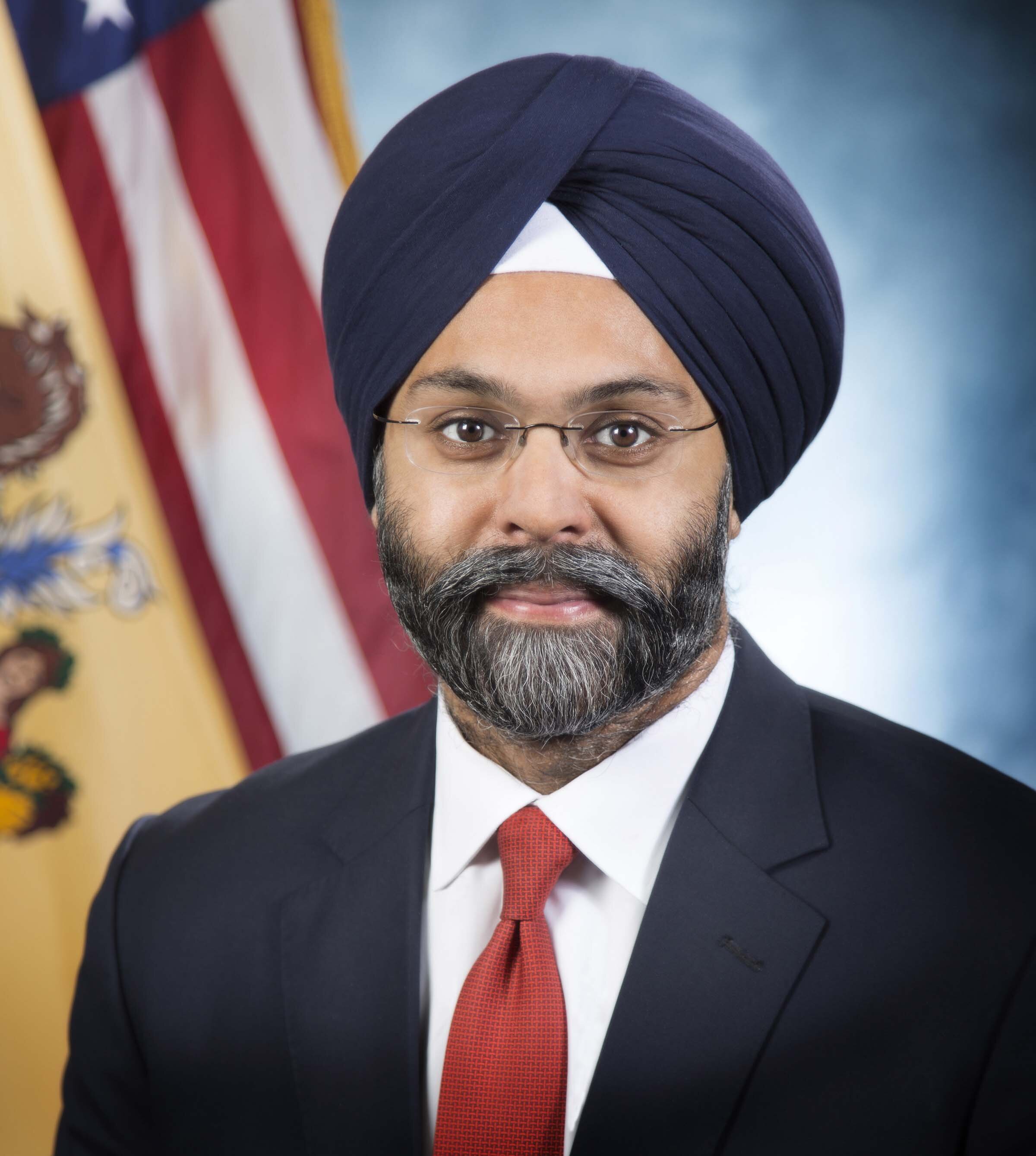
Attorney General of New Jersey, Gurbir Grewal
The U.S. does offer at least one example of police reform in the form of better training that is working well. In New Jersey, the state attorney general is appointed, not elected, and so is not subject to political pressures. Last summer, the current attorney general, Gurbir Grewal, proposed banning police use of chokeholds and “any similar tactics,” and he suggested police go through a licensing process similar to that for lawyers and other professions. In February 2021, Grewal told The Washington Post he has mandated much more police training than anywhere else in the country.
As a result, Newark, formerly considered one of the most violent American cities, has a falling crime rate. Last year, despite the pandemic, police did not fire a single shot and confiscated nearly 500 guns. The Newark Community Street Team, founded by the mayor to prevent street violence, ensured peaceful protests last May after George Floyd was killed. Another very violent New Jersey city, Camden, has had a similar turnaround.

Debbie Watters
Overseas, community oversight also is working in unlikely places. Northern Ireland was born of street violence, and Brexit has triggered new unrest. But last week, longtime Belfast community activist Debbie Watters said community oversight of the police service — no longer called the police force — is effective. Watters is co-director and founding member of Northern Ireland Alternatives, a community-based restorative justice organization working within grassroots communities that are loyal to England. Watters also vice chairs the Northern Ireland Policing Board, the 20-year old body that holds the police to account. She is one of 10 politicians and nine community-based members of the board. After receiving a call for help, police, who carry firearms, must check in with a member of the board and receive approval before moving in.
Watters stipulated that effective police reform must be enacted in legislation; political will, such as exists in the U.S. right now, must be behind it. Activists also need time: “We spent the first 10 years changing procedures and policy, and the second 10 winning hearts and minds.” Everything was designed with two principles in mind: human rights and community involvement.
“We don’t think we’ve arrived,” she told members of the Global Citizens Circle last week, “but if you spent a month in Belfast, you’d see a difference.”

Dr. Mimi Kim
At the same time, during a Webinar sponsored by the Annenberg Center for Health Journalism at the University of Southern California, two advocates of restorative justice discussed applying it to domestic violence. At present, many states, including Oregon, mandate the arrest of anyone causing harm via domestic violence. In two books, Leigh Goodmark, professor at the University of Maryland Carey School of Law, has advocated decriminalizing domestic violence and consigning it to social services. “Our criminal justice system is broken,” she says, regarding domestic violence. Still, listening to any horrific account of domestic violence inspires fear that without police intervention, women will be left unprotected and killed.
Dr. Mimi Kim is associate professor at the School of Social Work at California State University, Long Beach. A second-generation Korean American, Kim is a long-time community activist. Inspired by indigenous peace pipe ceremonies to resolve disputes as well as the strong family ties in Asian-American and Pacific Islander communities, she co-founded Creative Interventions, which used families’ communities to intervene in domestic violence. This approach has worked well among native Hawaiians. Creative Interventions lost its funding, but its free tool kit is still available to other communities who want to use this approach.
In all these efforts, Belfast’s Debbie Watters said activists must never stop applying pressure:
“Keep your foot on the gas.” Perhaps police reform comes first, then reform of everything else.
Ann Marie Cunningham is a Columbia University Lipman Fellow for 2020 who will be working with the Mississippi Center for investigative Reporting. She is a veteran journalist/producer and author of a best-seller. Her work has appeared in The New York Times, Los Angeles Times, Technology Review, The Nation and The New Republic. Contact her at [email protected].